
By Jason Collins, SE, CEO of Smithwright
In design-driven residential construction, the most important decisions are often the least visible. Long before finishes are selected or forms take shape, the success of a project is quietly determined by how well structure, site, and design intent are aligned.
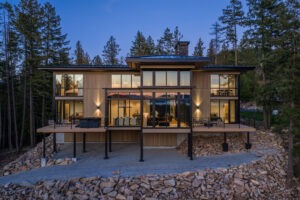
In North Idaho, this alignment matters even more. Steep terrain, variable soils, significant snow loads, and remote access all introduce complexity that cannot be solved late in the process. When structural thinking is deferred, design intent is often compromised—not because the architecture is flawed, but because the realities of the site were not fully resolved early enough.
As both a structural engineer and a builder, I’ve seen the difference early collaboration makes. When structure is considered alongside architecture from the outset, the design gains freedom rather than constraint. Spans become intentional, foundations are tailored to the land, and systems are integrated rather than layered on. The result is a home that feels calm, resolved, and inevitable—because it was never fighting itself.
For owners, family offices, and representatives managing complex projects, early structural clarity reduces risk in meaningful ways. It minimizes redesign, shortens schedules, and limits the kind of downstream decisions that erode confidence and budgets. For architects, it protects the integrity of the design by ensuring it can be executed as envisioned.
Design-driven construction is not about over-engineering or imposing control. It’s about alignment—bringing the right expertise into the room early so that decisions are made once, thoughtfully, and with intention.
In environments like North Idaho, where the land demands respect, structure is not just a technical requirement. It’s the quiet framework that allows great design to endure.